.png)
A bathroom a mile away doesn’t help when you need one right here

For the full version of this article, check out our free Substack post.
Most of us live close enough to a toilet that we rarely think about it.
We wake up, use the bathroom, flush, wash our hands, and move on with our day. A restroom is usually nearby when we need one.
That kind of access is a privilege many of us never have to notice.
“Human needs do not disappear when infrastructure does.”
This month, we sat down with several people living along the river to talk about something most communities rarely discuss openly: what happens when there isn’t a bathroom nearby.
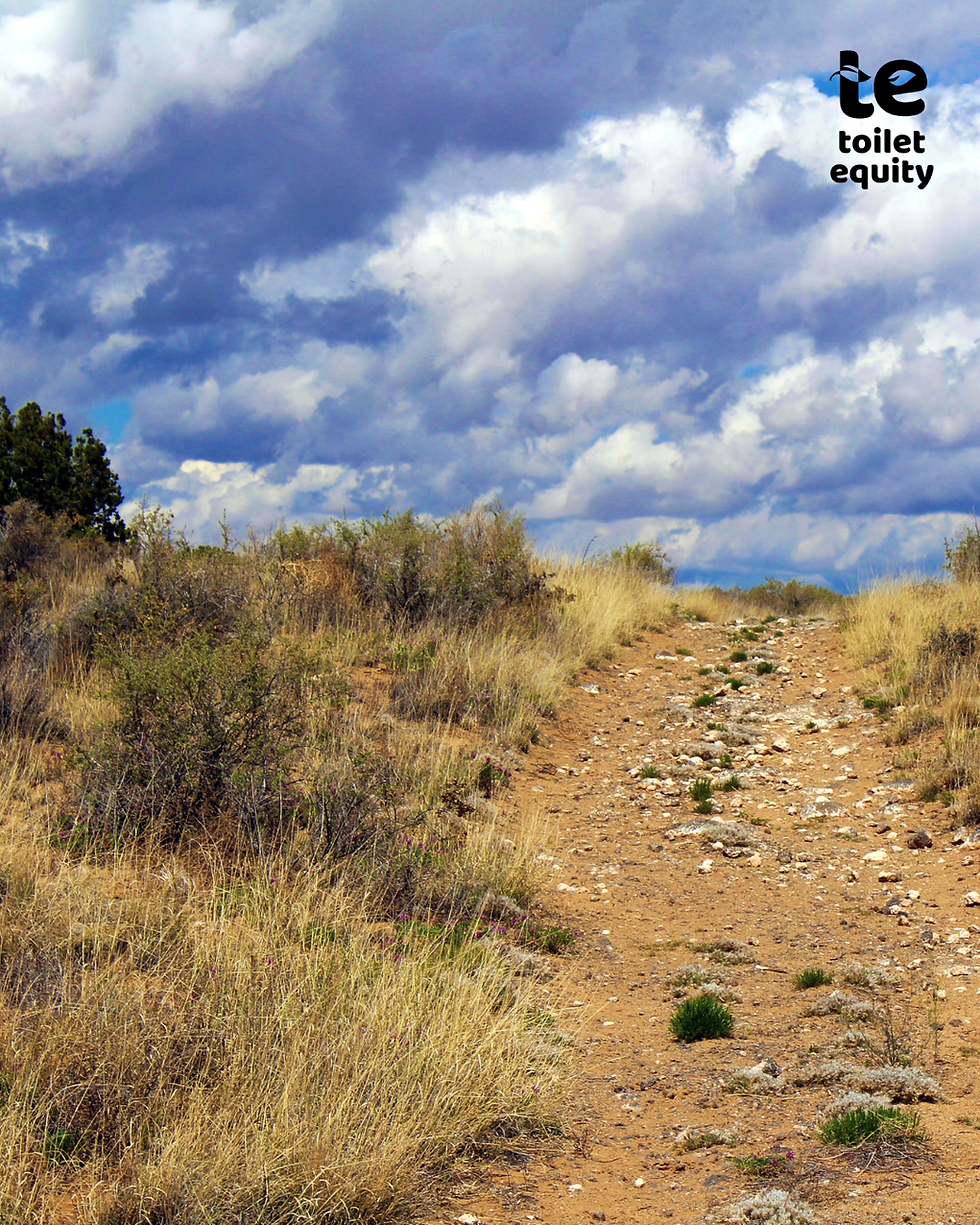
People talked about walking long distances in extreme heat to find a restroom. They talked about trying to make it through the night without access to one. They talked about burying waste near camps when there simply wasn’t another option.
Not because they want to.
Because human needs do not disappear when infrastructure does.
One person described how people sometimes become sick when waste builds up near camps. Another talked about dogs digging it back up. Others explained how difficult it can be to leave camp, travel across town, or find a restroom that is actually available when they need it.
What stood out most was how ordinary these conversations felt.
Nobody asked for pity. They talked about bathrooms the same way anyone would talk about needing water, shade, sleep, or a safe place to exist.
And that may be the clearest reminder of all: people experiencing homelessness are still navigating the same ordinary human needs the rest of us do every single day.

The difference is that many are doing so without the infrastructure most of us quietly depend on.
A bathroom technically existing somewhere in town is not the same thing as having meaningful restroom access.
“A bathroom a mile away may as well not exist when you need one right here.”
A bathroom a mile away may as well not exist when it’s over 100 degrees outside, when businesses are closed, when it’s dark, or when leaving camp means risking losing the few belongings you still have.
Infrastructure only works when it exists where people actually are.

And thanks to people like you, more people in our community are beginning to understand that sanitation access is not a luxury. It’s public health infrastructure.
You are helping create safer, healthier shared spaces for everyone.
You are helping build a community that treats dignity as something worth protecting.
And you are helping make sure more people have somewhere safe to go.

Check out the full blog post for free on our Substack,
paid subscribers and monthly donors get early access each month!
This post originally appeared in our May 2025 email newsletter.
You can subscribe to receive future updates here.


Comments